
Materials
PEEK, LCP, PPS and self-lubricating compounds — properties compared, grades, and achievable tolerances. The data you need to choose a material before the tool exists.
Compared
Indicative valuesThe axes a design engineer actually selects on. Values are indicative for the polymer family — a specific grade will differ.
| PEEK | LCP | PPS | LNP | |
|---|---|---|---|---|
| Continuous service temp. | 250 °C | 240 °C | 220 °C | per base resin |
| Melt temperature | 360–400 °C | 280–350 °C | 300–330 °C | per base resin |
| Minimum wall | 0,5 mm | < 0,3 mm | 0,6 mm | per base resin |
| Moisture uptake | ≈ 0,5 % | effectively zero | effectively zero | per base resin |
| Chemical resistance | very high | high | high | per base resin |
| Coefficient of friction | low | medium | medium | very low |
| Dielectric performance | good | excellent | good | per base resin |
| Relative material cost | very high | high | medium | medium |
Materials
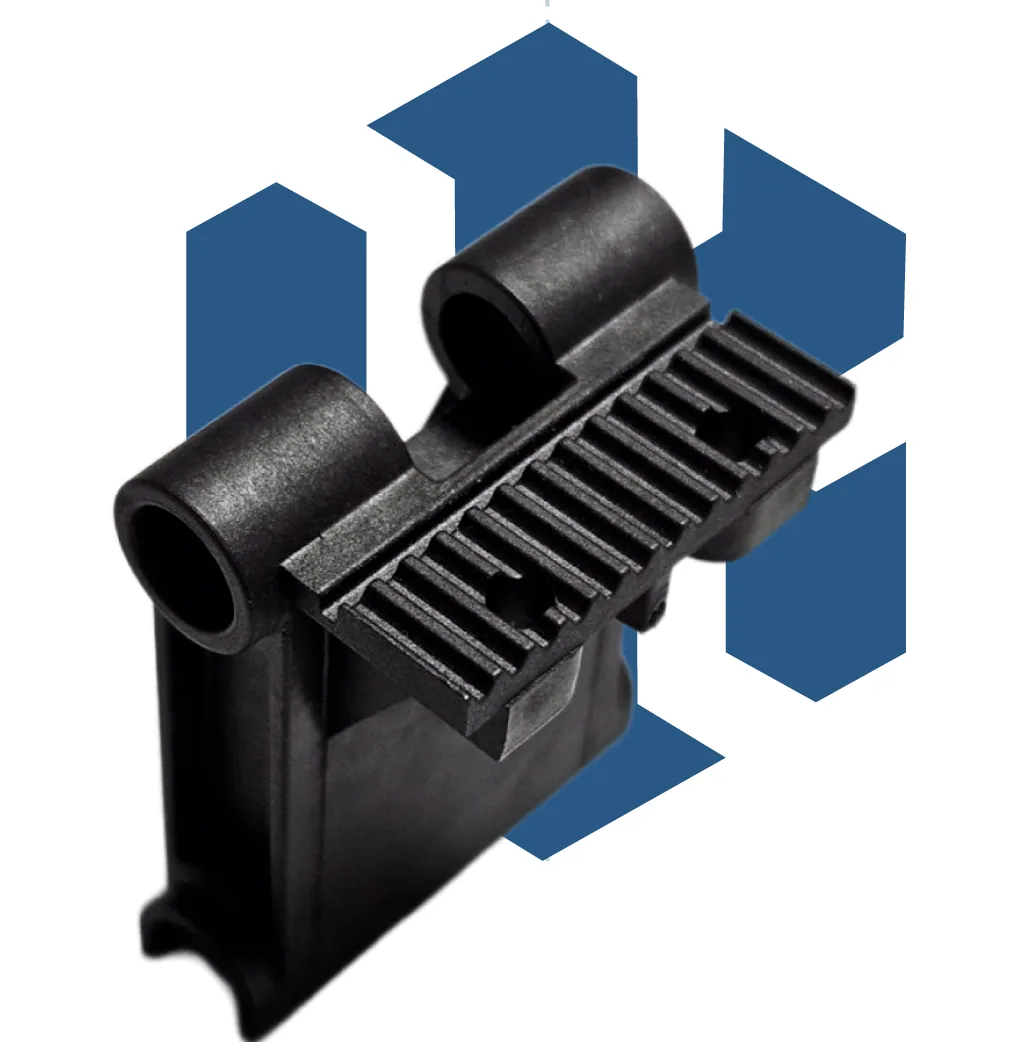
PEEK
Polyetheretherketone
Replaces metal where mass and chemistry both matter.
- Continuous service temp.
- 250 °C
- Minimum wall
- 0,5 mm
3 grades
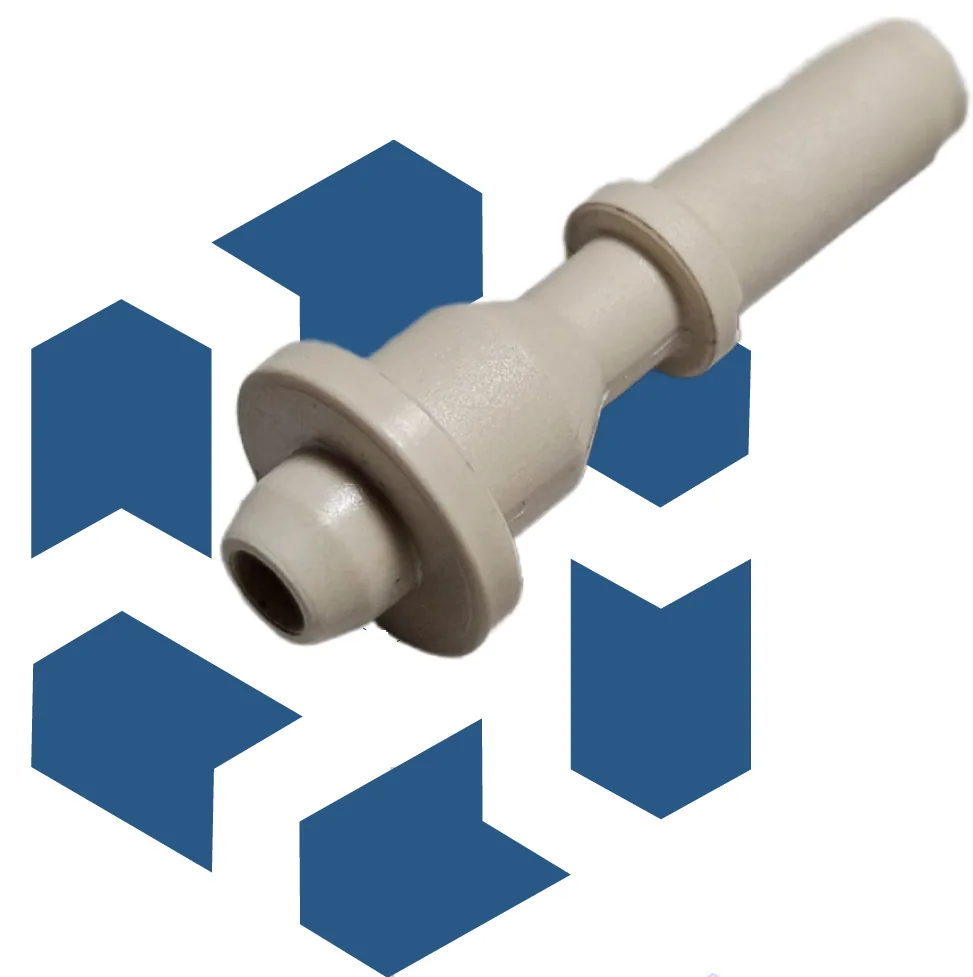
LCP
Liquid crystal polymer
Walls below 0.3 mm, and dimensions that stay put.
- Continuous service temp.
- 240 °C
- Minimum wall
- < 0,3 mm
2 grades
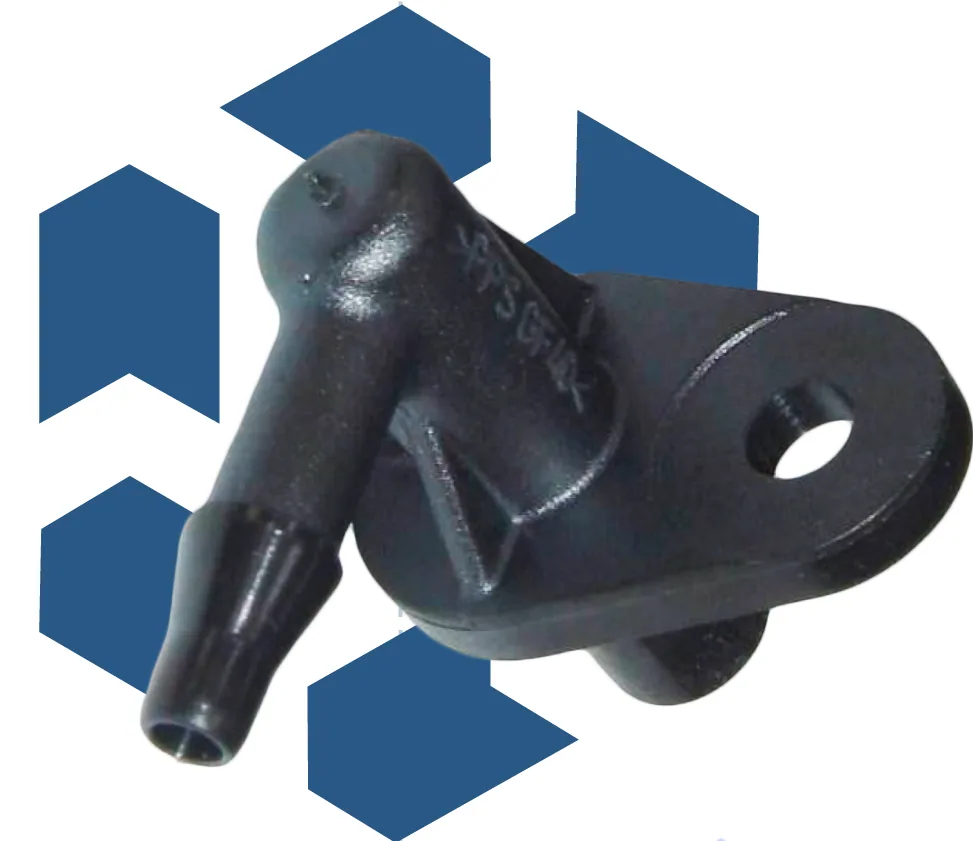
PPS
Polyphenylene sulphide
Chemistry, temperature and dimensional stability at once.
- Continuous service temp.
- 220 °C
- Minimum wall
- 0,6 mm
3 grades
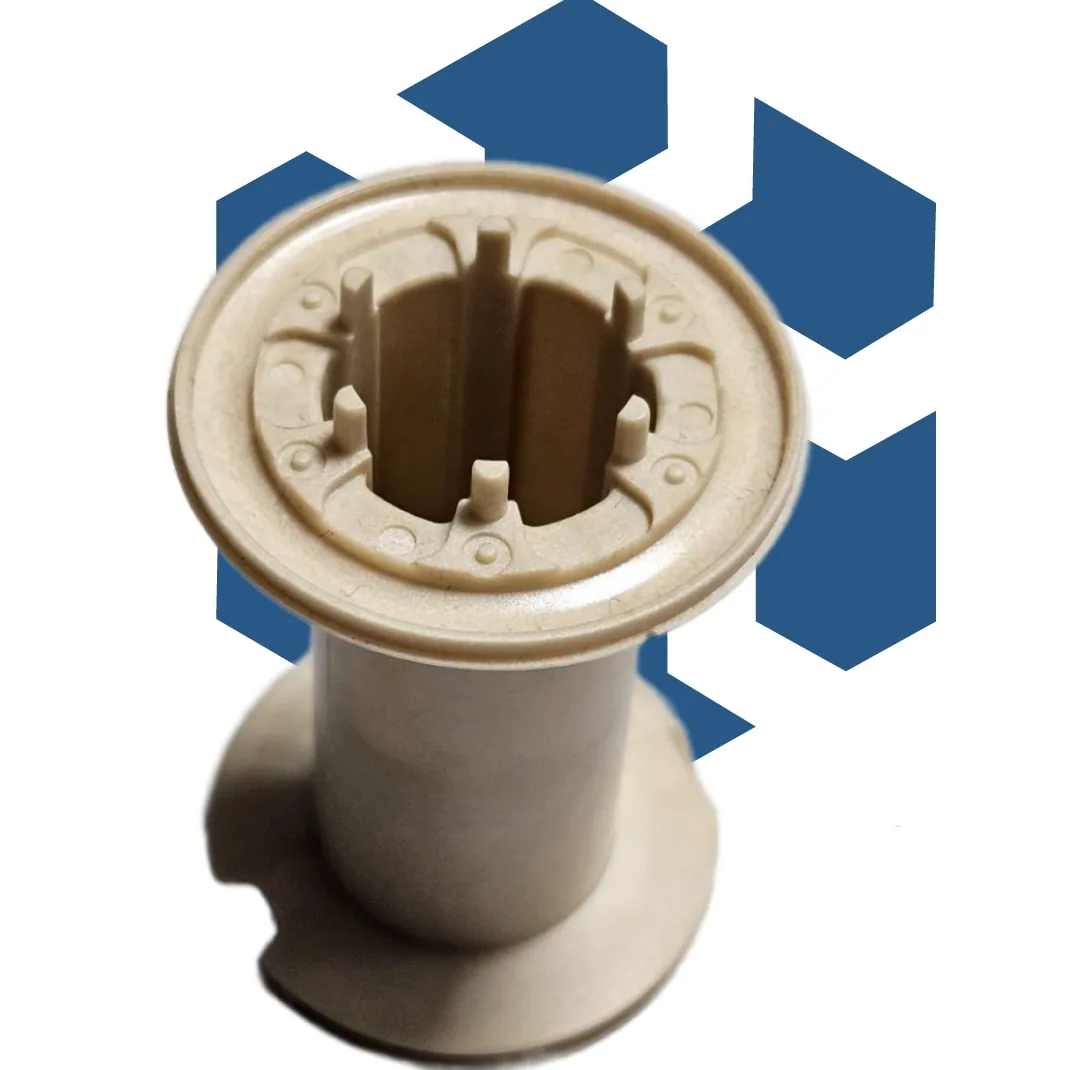
LNP
Lubricomp — self-lubricating compounds
Bearings, gears and slides that run dry.
- Continuous service temp.
- per base resin
- Minimum wall
- per base resin
3 grades
Not sure which polymer fits? Our engineers select the material against your design requirements — it is part of how we quote. We also process standard engineering plastics — POM, PA, PC, PBT, PMMA, TPE — to match your project's requirements.
Request a quote